
Plug Socket Types: Key Takeaways
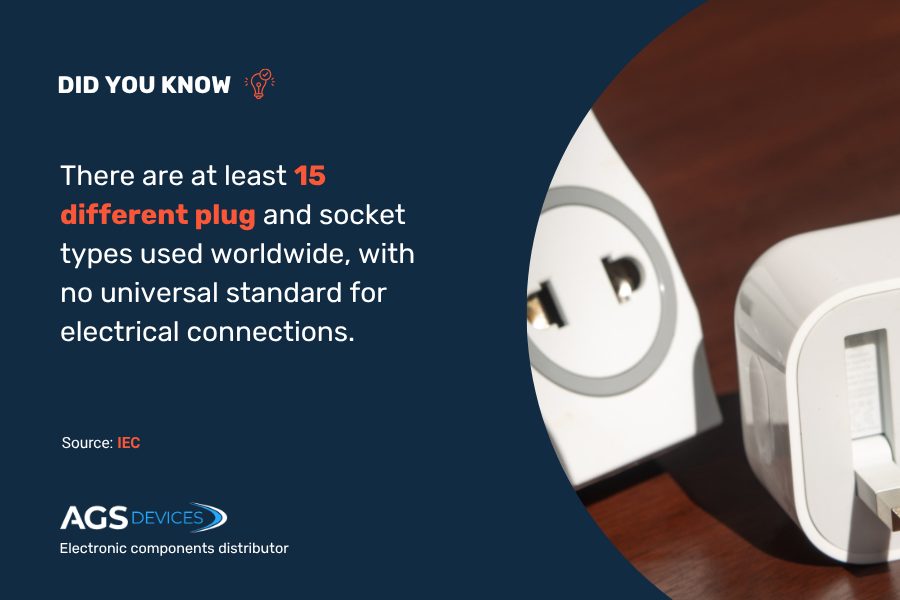
- No universal standard exists: Over 15 plug and socket types are used globally, making compatibility a critical consideration
- Electrical differences matter: Voltage and frequency variations directly impact device safety and performance
- Compatibility goes beyond shape: Matching plug type alone isn’t enough: Voltage, grounding, and standards must align
- Smart sourcing ensures reliability: Using certified, region-specific components prevents failures, safety risks, and deployment delays
More than 15 plug and socket types are used worldwide, with countries operating on varying voltage levels (typically 110V–120V or 220V–240V) and frequencies (50Hz or 60Hz).
This lack of standardization makes electrical compatibility a critical consideration for any system deployed across regions.
Different plug and outlet types matter more than they seem, especially when systems need to work across regions.
What works in one country can easily become a problem somewhere else, either due to voltage differences or incompatible standards.
From a design perspective, plug types affect grounding, voltage compatibility, and overall safety.
On the sourcing side, they influence compliance, availability, and how easily systems can be deployed across regions.
Here’s what matters when working with global plug types:
- Common plug and socket types used worldwide
- Key differences in voltage and frequency by region
- Compatibility challenges and adapter solutions
- Safety considerations for international use
Plug and Socket Types: Key Facts and Classification
Plugs and sockets form the foundation of electrical connectivity, defining how power is delivered safely between sources and devices. While often used interchangeably, they serve distinct roles within a system.
The reason multiple plug and socket standards exist comes down to regional development, infrastructure history, and safety regulations.
If you break it down:
- Plug types are defined by pin shape, number, and configuration
- Socket types are designed to match regional electrical systems and safety standards
- No single global standard exists, requiring compatibility awareness for international use
Key insight: Plug and socket design is not just about connection, as it directly impacts safety, compatibility, and overall system reliability across regions.
Common Plug Types (A, B, C, D, F, G, I, etc.)
Electrical plug types vary by region, with each design reflecting local standards for voltage, grounding, and safety requirements. Understanding these differences is essential for ensuring compatibility and preventing electrical hazards.
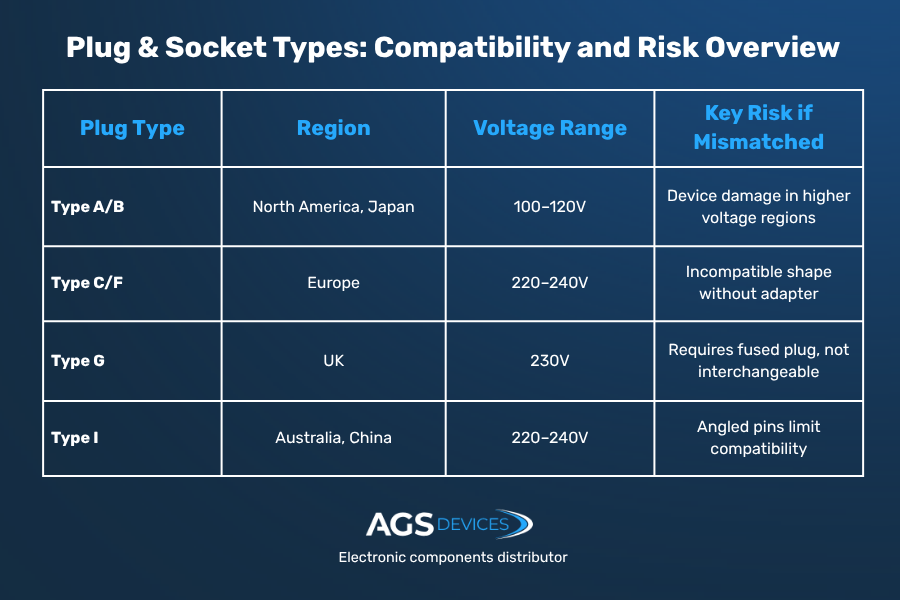
Type A & B (North America)
You’ll see Type A and B plugs across North America and Japan, mainly in everyday setups like homes, offices, and commercial spaces.
Flat parallel pins (Type A: ungrounded, Type B: grounded)
- Typically used with 110–120V systems
- Widely used in residential and commercial applications
- Type B’s grounding pin provides added protection against electrical faults.
Type C & F (Europe)
Across Europe, Type C and F are the standard. They’re widely used because they work across multiple countries with similar voltage systems.
- Round pin design for stable contact
- Used in 220–240V systems
- Type F includes grounding for higher safety compliance
These plugs are widely adopted due to their compatibility across multiple European countries.
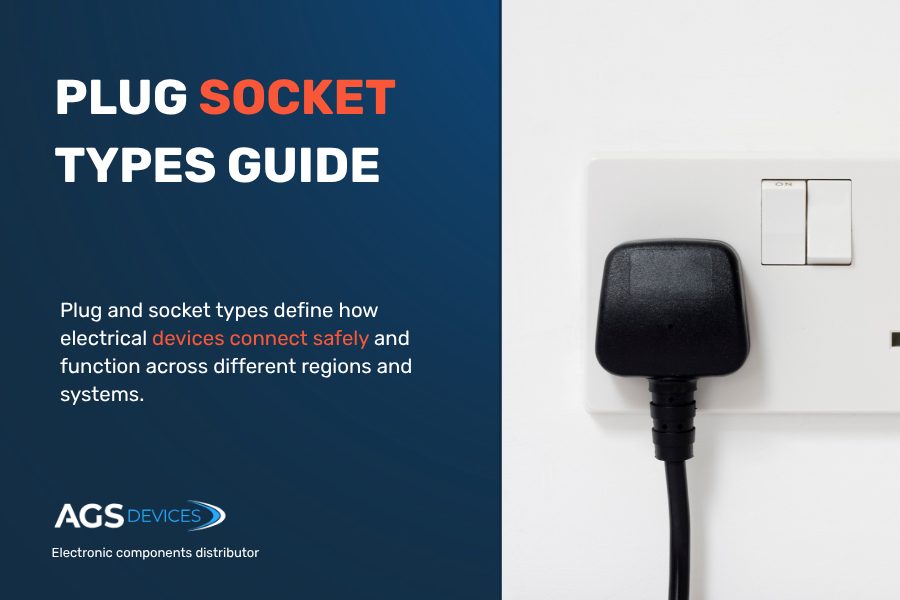
Type G (UK)
In the UK, Type G stands out for its built-in safety features, including a fuse that protects against overload.
- Three rectangular pins with built-in grounding
- Integrated fuse for overload protection
- Used in 230V systems
The built-in fuse makes Type G one of the safest plug designs globally.
Type I (Australia, China)
In Australia and parts of Asia, Type I plugs are used, with an angled design that helps keep the connection stable.
- Two or three flat pins arranged at an angle
- Grounded versions available
- Used in 220–240V systems
Their angled design helps improve mechanical stability and contact reliability.
Other Plug Types (D, E, J, etc.)
Several other plug types are used in specific regions, often reflecting local infrastructure and historical standards.
- Type D: Used in India and parts of Africa
- Type E: Used in France and Belgium (with grounding pin)
- Type J: Used in Switzerland
These designs vary in pin configuration and grounding methods, making them less interchangeable without adapters.
Plug Type Comparison Table (Global Overview)
| Type | Region | Voltage | Key Feature |
| A | North America | 120V | Flat pins |
| C | Europe | 230V | Round pins |
| G | UK | 230V | Fused plug |
| I | Australia | 230V | Angled pins |
Voltage, Compatibility, and Safety Considerations for Global Plug Use
When working with international electrical systems, compatibility goes beyond plug shape. Differences in voltage, frequency, and safety standards can directly impact device performance and user safety.
Voltage is usually where the biggest problems start. Countries typically operate on either 110–120V or 220–240V systems. Using a device outside its rated range can cause serious issues.
- Frequency also varies between 50Hz and 60Hz, which can affect how certain equipment operates, particularly motors and timing-based systems.
- For example, using a 120V device in a 230V system without a converter can result in overheating, permanent damage, or complete failure.
Physical compatibility is another challenge. Even if voltage is correct, plug shapes differ by region, which is why adapters are often required. However, it’s important to distinguish between solutions:
- Adapter: Changes the plug shape only
- Converter: Adjusts the voltage to match the device
Using the wrong option can lead to improper operation or damage.
Safety must always be a priority when dealing with international power systems. Proper grounding, load handling, and certification compliance all play a role in preventing electrical hazards.
To ensure safe operation:
- Always match voltage and frequency to device specifications
- Use certified adapters or converters
- Avoid forcing incompatible plugs into sockets
Key insight: Global compatibility isn’t just about fitting the plug, it requires aligning electrical characteristics, safety standards, and proper equipment to prevent failure and ensure reliable operation.
Global Connector Sourcing Made Simple with AGS Devices
In practice, managing all of this can get complicated quickly, especially across multiple regions.
That’s where AGS Devices supports teams, by helping ensure the right components are sourced, compliant, and available when needed.
Whether you need standard plug types for international deployment or specialized solutions for industrial systems, we ensure you get the right components without delays or risk.
We support your global connector needs with:
- Global sourcing network: Access to region-specific plug and socket types worldwide
- Certified components: Fully compliant with international safety and electrical standards
- Hard-to-find parts: Support for obsolete or region-specific connectors
- BOM optimization: Streamline sourcing across multiple markets
- Quality assurance: Verified, traceable components for reliable performance
In addition to sockets, we also source electronic components such as:
From consumer electronics to industrial and data center applications, AGS Devices helps you navigate global electrical standards with confidence, ensuring compatibility, compliance, and long-term reliability.
Types of Plugs and Sockets: FAQs
What are the different types of plugs used worldwide?
There are more than 15 types of electrical plugs used globally, including Type A, B, C, D, F, G, and I. Each type differs in pin shape, grounding method, and regional use, making them specific to certain countries and electrical systems.
How many types of electrical outlets are there?
Globally, there are over 15 standard outlet (socket) types, each designed to match specific plug configurations. These outlets vary based on regional standards, voltage, and safety requirements.
What is the difference between Type A and Type C plugs?
Type A plugs have flat pins and are used in North America and Japan, typically with 120V systems. Type C plugs use round pins and are common in Europe, operating on 220–240V systems. They are not directly compatible without adapters.
Why do different countries use different plug types?
Different plug types developed due to regional infrastructure, historical standards, and safety regulations. Countries adopted designs based on their electrical systems, leading to multiple standards still in use today.
Can I use my device in another country with a different outlet?
Yes, but you need to ensure both physical and electrical compatibility. An adapter may be required for plug shape, and a voltage converter may be needed if the voltage differs from your device’s rating.
What is the difference between an adapter and a converter?
An adapter changes the plug shape to fit a different outlet but does not change voltage. A converter adjusts the voltage to match the device requirements, which is essential when moving between 120V and 230V systems.
What happens if you use the wrong voltage?
Using the wrong voltage can cause overheating, permanent device damage, or even electrical hazards. Devices not designed for higher voltage systems may fail immediately if not protected by a converter.
Why is grounding important in plug types?
Grounding provides a safe path for excess electrical current, reducing the risk of electric shock and equipment damage. Plug types with grounding (like Type B, F, and G) offer higher safety levels.
How does AGS Devices support global connector sourcing?
AGS Devices provides access to region-specific plug and socket types through a global supplier network. This ensures compatibility, compliance with international standards, and reliable availability for global operations.
Can AGS Devices help with region-specific or hard-to-find plug types?
Yes, AGS Devices specializes in sourcing region-specific and hard-to-find connectors. This helps businesses avoid delays, ensure compliance, and maintain continuity across international projects.