
What Is a Socket? Key Takeaways
- Sockets enable system connectivity: They provide the interface for power delivery, component integration, and data communication across electronic and network systems
- Different socket types serve distinct roles: Electrical, component, connector, and network sockets are designed for specific functions and environments
- Design and quality impact performance: Materials, contact design, and fit directly affect reliability, signal integrity, and lifespan
- Proper selection ensures long-term reliability: Choosing the right socket and sourcing it from trusted suppliers, reduces failures, maintenance costs, and system downtime
Global data creation is estimated to have exceeded 175 zettabytes in 2025, driven by cloud computing, IoT devices, and connected systems. Behind every one of these connections is a fundamental interface: the socket.
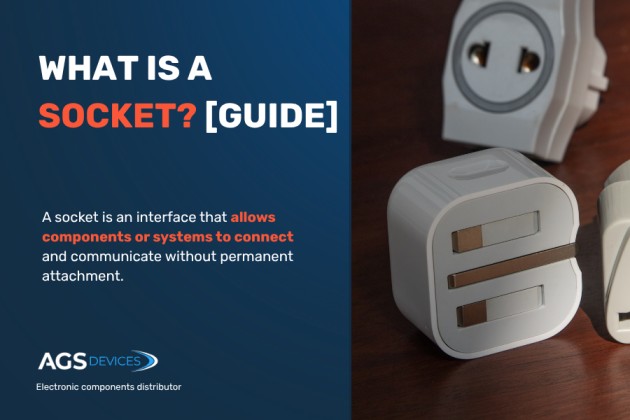
What is a socket? At a basic level, it’s what allows components or systems to connect without being permanently fixed in place.
Whether it’s a power outlet delivering electricity, a CPU socket connecting a processor, or a network socket enabling communication between systems, sockets are essential to how modern technology operates.
In this guide, we’ll cover:
- Socket definitions in electrical, electronic, and networking contexts
- Different types of sockets and how they function
- Real-world applications across industries
- Materials and design considerations
- How to choose the right socket for your application
What Is a Socket? Definition, Function, and Key Facts
A socket is essentially a receiving interface. It’s where a plug, component, or connection point fits in to create a working link. It plays an important role in making systems modular, serviceable, and scalable.
You’ll find sockets used across different parts of modern systems, electrical connections, electronic devices, and even software environments.
In practice, sockets make a few things possible:
- Non-permanent connections for easy replacement and maintenance
- Modular design across hardware and software architectures
- Reliable interfacing between components and subsystems
They are found at every level, from internal circuit boards to external device interfaces and even within software communication layers.
Common socket types include:
- Electrical sockets: Used for power delivery (e.g., wall outlets, AC interfaces)
- Electronic sockets: Used for component mounting (e.g., CPU and IC sockets)
- Network sockets: Used as communication endpoints in software systems
In real systems, sockets do more than just connect components. They make systems easier to maintain, upgrade, and scale.
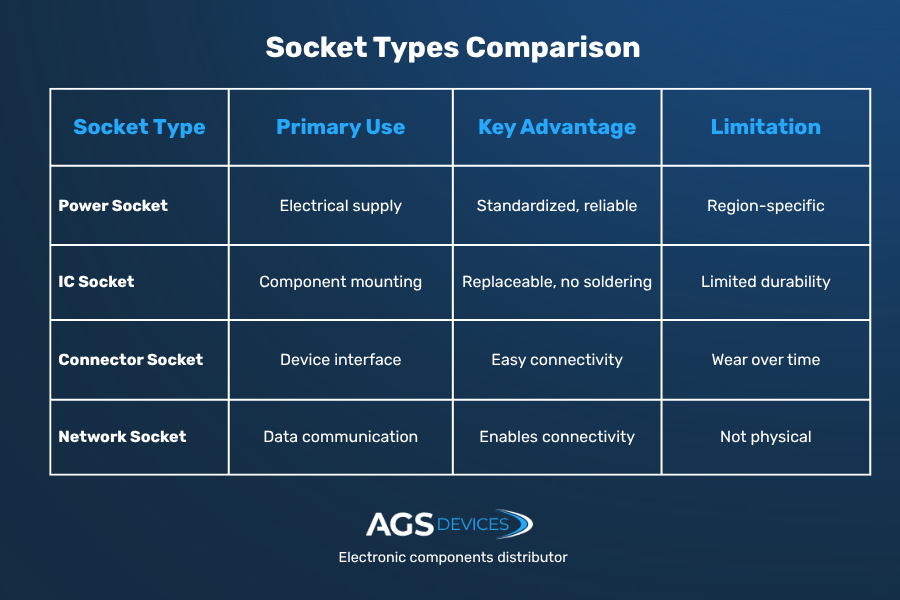
Types of Electrical and Electronic Sockets
Sockets are designed for specific roles within a system, ranging from power delivery to component integration and digital communication.
Power Sockets (Electrical Sockets)
Power sockets deliver electricity from a source to a device. Think standard wall outlets or industrial power interfaces.
Their role is straightforward:
- Safe power transmission with defined voltage and current ratings
- Standardized compatibility across devices and regions
- Secure physical connection to prevent accidental disconnection
IC and Component Sockets
IC (integrated circuit) and component sockets are used to mount electronic components, such as CPUs or chips, onto circuit boards without permanent soldering.
This becomes useful for:
- Easy replacement and upgrades without damaging the PCB
- Reduced thermal stress during installation
- Reliable contact for high-performance components
These sockets are critical in systems where maintenance, testing, or upgrades are required.
Connector Sockets
Connector sockets act as interface points between devices, typically as the female side of a connection. Common examples include USB ports, HDMI ports, and other I/O interfaces.
They enable:
- Modular connectivity between systems and peripherals
- Fast data and signal transmission
- Easy user interaction and device integration
Network Sockets (Software Concept)
Network sockets are not physical components, but logical communication endpoints used in software and networking. They enable devices to exchange data over networks using protocols like TCP/IP.
In practice, a network socket combines:
- An IP address (identifies the device)
- A port number (identifies the service or application)
These sockets are essential for enabling communication in applications such as web browsing, cloud services, and real-time data exchange.
How to Choose the Right Socket for Your Application
Choosing the right socket isn’t just about matching a component. It’s about how that connection performs over time, especially under real operating conditions.
In most systems, a few factors make the biggest difference:
Electrical Requirements
Start with the basics such as voltage and current ratings.
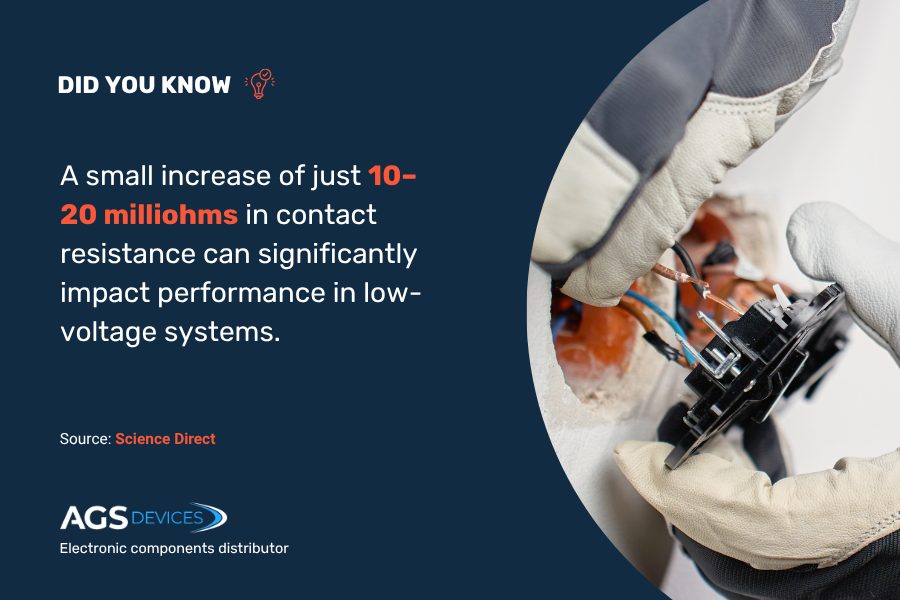
The socket must handle the required load without overheating or introducing resistance.
- Underrated sockets can lead to heat buildup and failure
- Over-specifying may increase cost without added benefit
Mechanical Fit and Design
The physical interface needs to match both the component and the system layout.
- Ensure proper alignment and secure mating
- Consider mounting type (through-hole, surface mount, panel mount)
- Check tolerance and fit to avoid loose connections
Even small mismatches here can lead to intermittent contact issues.
Mating Cycles and Durability
Not all sockets are designed for repeated use.
- High mating cycles require more durable contact materials
- Frequent insertion and removal increase wear over time
In applications with maintenance or upgrades, this becomes a key factor.
Operating Environment
Real-world conditions often determine long-term reliability.
- High temperatures can degrade materials
- Moisture and contaminants can cause corrosion
- Vibration can loosen connections
Sockets used in industrial or automotive environments typically need additional protection or higher-grade materials.
How Sockets Work in Electronic and Network Systems
Sockets function as interfaces that enable connection, communication, and stability, whether in physical hardware or digital networks. While their implementations differ, the core principle remains the same: creating a reliable link between two endpoints.
In electronic systems, sockets provide both electrical contact and mechanical support. They ensure that components are securely connected while allowing current or signals to flow efficiently.
This is critical in maintaining consistent performance, especially in systems exposed to vibration or repeated use.
Physical sockets operate by:
- Establishing conductive contact between mating surfaces
- Maintaining alignment and pressure for stable connectivity
- Allowing easy insertion and removal without damaging components
For example, a CPU socket connects the processor to the motherboard, ensuring precise alignment and reliable electrical pathways for high-speed data exchange.
In network systems, sockets operate at a logical level. Instead of physical contact, they define communication endpoints that allow devices to exchange data over a network.
Network sockets work by:
- Combining an IP address (device identity) with a port number (application/service)
- Enabling structured communication between client and server systems
- Supporting protocols like TCP/IP for reliable data transmission
For example, when a browser connects to a website, a network socket enables the client-server communication, allowing data to be sent and received in real time.
Reliable Socket Solutions from AGS Devices
Sockets play a critical role in ensuring stable connections, efficient communication, and system reliability, whether in power delivery, component integration, or network communication.
But achieving consistent performance depends not just on design, but on quality, compatibility, and supply chain reliability.
That’s where AGS Devices supports teams, helping ensure the sockets you use are reliable, compatible, and available when you need them.
From IC sockets and connector interfaces to specialized components, we ensure every part supports long-term performance and system stability.
We support your socket sourcing with:
- Global sourcing network: Access to trusted and verified suppliers
- Hard-to-find components: Including obsolete and allocation-constrained sockets
- BOM optimization: Reduce cost and streamline procurement
- Quality assurance: Fully tested and traceable components
- Obsolescence management: Prevent redesigns and supply disruptions
In addition to sockets, we also source electronic components such as:
Whether you’re building systems for industrial automation, consumer electronics, data infrastructure, or medical applications, AGS Devices helps you secure sockets that deliver reliability, compatibility, and long-term value.
Sockets Explained: FAQs
If you’re still wondering what a socket is or have some unanswered questions, here are some questions and answers that might help you out.
What is a socket in electronics?
A socket in electronics is a connection interface that allows components or connectors to be inserted and removed without permanent attachment. It enables electrical contact, mechanical stability, and easy replacement of components such as ICs or connectors.
What is a socket in networking?
A network socket is a software-based communication endpoint used to send and receive data between devices over a network. It combines an IP address and a port number to enable communication using protocols like TCP/IP.
What are sockets used for?
Sockets are used to enable connections in electrical, electronic, and network systems. They support power delivery, component integration, and data communication while allowing modular design and easy maintenance.
What are the different types of sockets?
Common types of sockets include power sockets (electrical outlets), IC and component sockets (such as CPU sockets), connector sockets (USB or HDMI ports), and network sockets used in software communication.
What is a computer socket?
A computer socket typically refers to a hardware interface, such as a CPU socket on a motherboard, that allows components to be installed and replaced without soldering while maintaining reliable electrical connections.
How do network sockets work?
Network sockets work by establishing a communication link between devices using an IP address and port number. They allow applications to send and receive data over a network in a structured and reliable way.
Why are sockets important in electronic systems?
Sockets are important because they enable flexible, modular system design. They allow components to be replaced, upgraded, or maintained without damaging the system, improving reliability and serviceability.
How do you choose the right socket?
Choosing the right socket depends on electrical requirements, mechanical fit, and application environment. It’s important to ensure compatibility with the component or connector and consider durability and lifecycle needs.
How does AGS Devices support socket sourcing?
AGS Devices provides access to a global network of trusted suppliers, helping customers source high-quality sockets that meet performance and reliability requirements across various applications.
Can AGS Devices help with hard-to-find or obsolete sockets?
Yes, AGS Devices specializes in sourcing hard-to-find and obsolete sockets, helping customers maintain production continuity and avoid costly redesigns or delays.