
EWIS in Aviation: Key Takeaways
- Electrical Wiring Interconnection Systems (EWIS) include all wiring, connectors, splices, shielding, and routing hardware used to transmit electrical power and signals throughout an aircraft
- Wires don’t just carry power. They carry data, logic, and trust between avionics, flight controls, sensors, and displays mile after mile, flight after flight
- Aging aircraft feel EWIS problems first. Insulation wear, corrosion, and legacy routing account for a significant share of in-flight electrical faults in older fleets
- Standards exist because mistakes can be costly. FAA AC 25.1701, ATA Chapter 20, and IPC/WHMA-A-620 came from real failures, not theory
- Installation matters as much as the wire itself. Routing, clamping, bonding, and strain relief are often the difference between reliable service and recurring faults
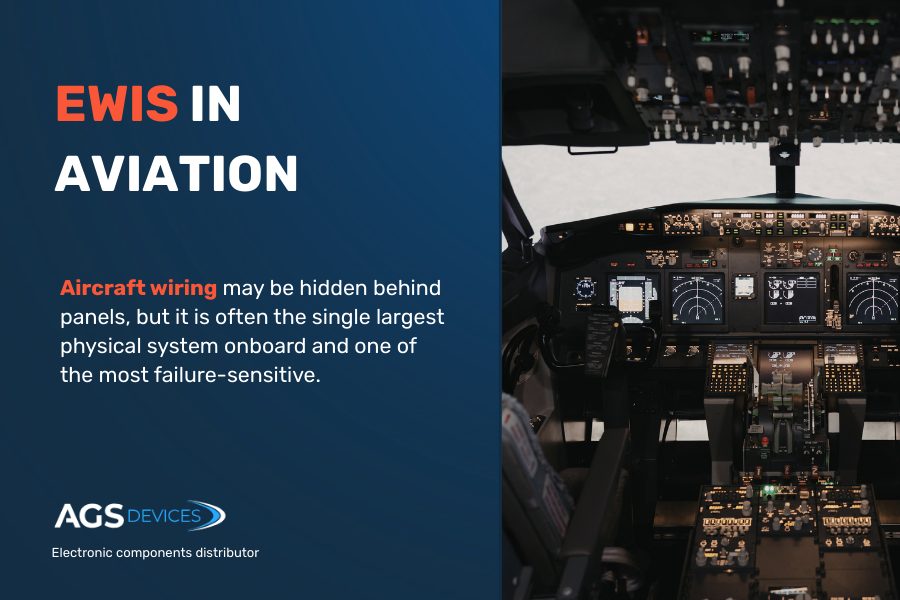
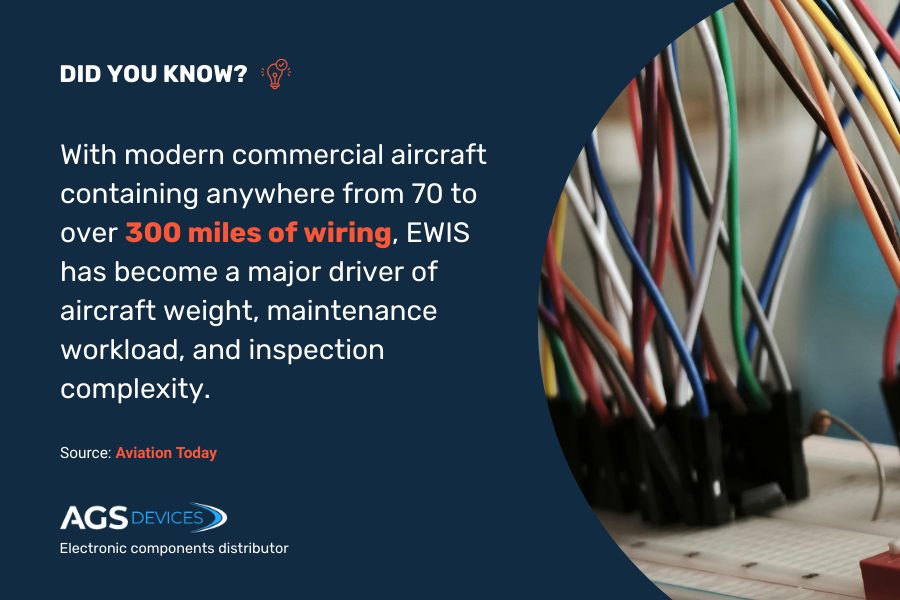
In modern transport-category aircraft, total wiring length can exceed 100 miles. These conductors distribute power, carry data, and provide signal pathways between flight controls, engines, avionics systems, and cabin equipment.
Unlike many mechanical components, wiring faults are not always isolated. Shared routing zones, common power buses, and structural bonding paths mean a single damaged conductor or improperly installed connector can generate multiple system alerts.
Because of this, regulators classify EWIS as a defined airworthiness system under 14 CFR Part 25 Subpart H. Design, installation, inspection, and maintenance requirements apply not only to the wire itself, but also to connectors, clamping, shielding, bonding, and documentation.
This guide reviews:
- The avionics components that make up EWIS
- Applicable regulatory and industry standards
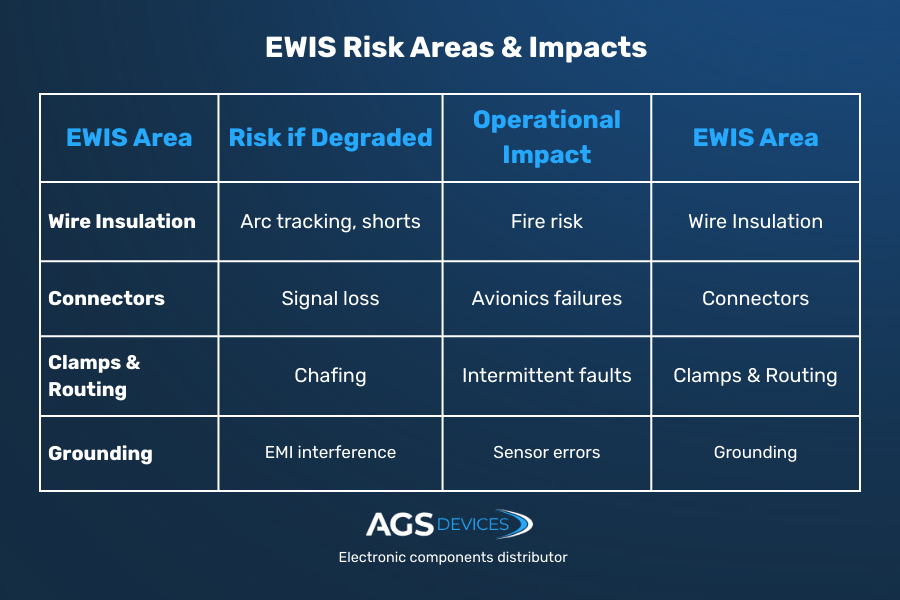
- Common degradation and failure areas
- Why traceable, certified sourcing is essential for compliance and reliability
EWIS in Aviation: Key Functions and Importance
Aircraft don’t fly on engines alone. Behind every electronic command, whether it’s deploying flaps, igniting engines, or illuminating a cockpit panel, there’s a wire making it happen. And not just one. Thousands.
Electrical Wiring Interconnection Systems encompass far more than “just wires.” We’re talking about every part that transmits, distributes, or shields electrical energy or signals across the aircraft:
- Wiring (single and multi-core)
- Connectors, splices, and terminations
- Backshells, bundled harnesses, routing brackets, and clamps
- Bonding straps and shielding elements that ground and protect
If it powers, links, or communicates between systems, it’s EWIS.
What this system manages:
- Power distribution to engines, lighting, and onboard systems
- Avionics system interconnections for flight navigation, radar, and communications
- Flight control automation (like fly-by-wire and autopilot systems)
- Environmental and passenger systems, everything from cabin pressure to seatbelt signs
Following several wiring-related accidents and fuel tank ignition events in the late 1990s and early 2000s, the FAA formally established EWIS as a defined regulatory domain under 14 CFR Part 25 Subpart H (2007).
Key Components of an Aircraft Wiring Interconnection System
Aircraft wiring isn’t just spools of copper stretched through a fuselage, it’s an intricate, system-engineered network of interdependent components. Each component plays a role in protecting signal integrity, maintaining electrical continuity, and ensuring safety at altitude.
Here’s a closer look at the major EWIS categories and how they’re used:
1. Wires & Cables
These aren’t just wires running from point A to point B, they’re the hidden lifelines that keep power, data, and decisions moving across the aircraft, every second it’s in the air.
- Single and multi-conductor wires carry data and power across avionics, lighting, and controls
- Shielded and coaxial cables prevent signal interference in sensitive systems like radar and SATCOM
- Teflon-coated, fire-resistant, and arc-track resistant insulation ensures safety even under high heat, vibration, or humidity
Used in: Every powered system from flight deck displays to de-icing elements.
2. Connectors & Terminals
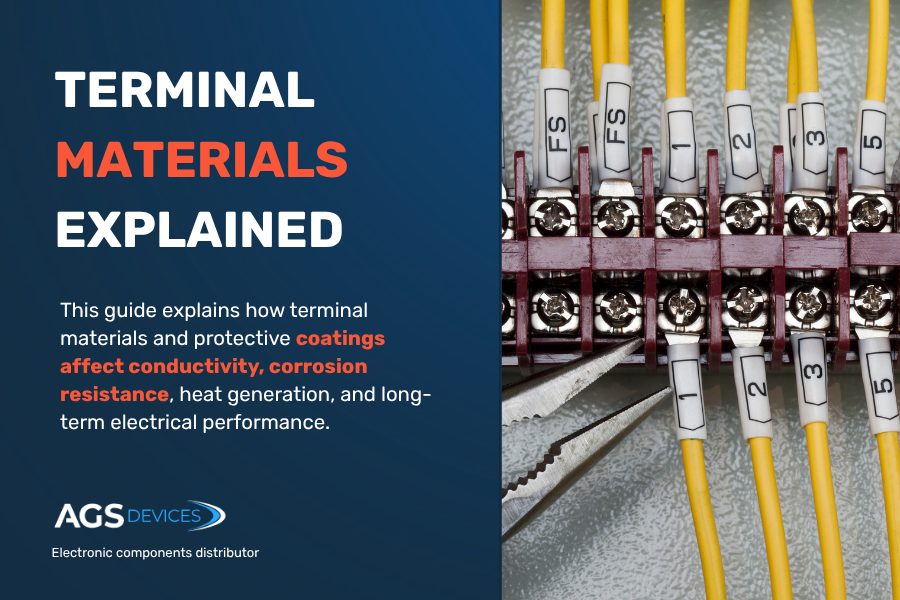
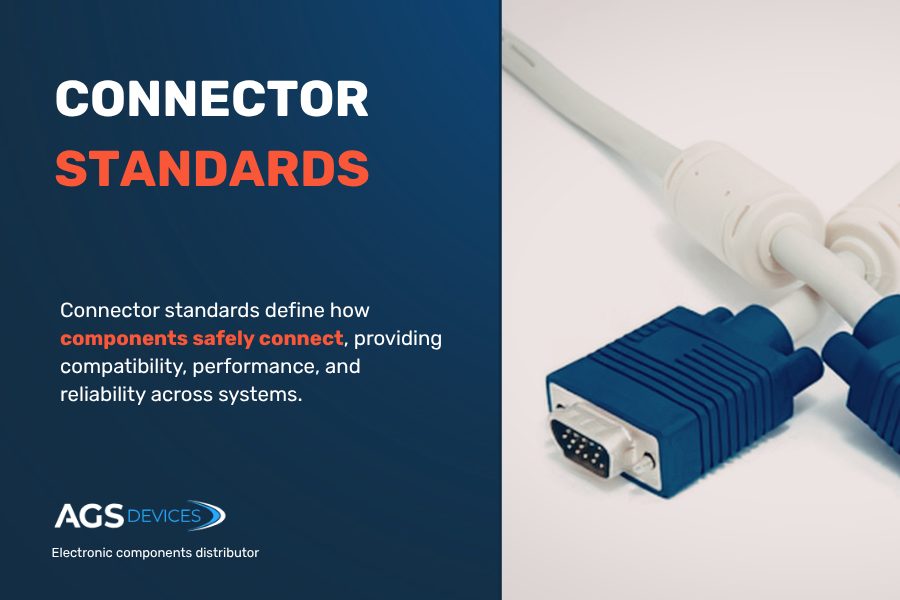
Connectors are critical control points within EWIS. Poor contact integrity, improper crimping, or insufficient environmental sealing are common contributors to intermittent faults.
- MIL-SPEC connectors ensure precision fits and resistance to vibration, pressure, and corrosion
- Sealed connectors protect against moisture, salt fog, and pressure differentials
- Locking mechanisms prevent accidental disconnects mid-flight
Used in: Line-replaceable units (LRUs), avionics bays, and sensor nodes.
3. Splices & Backshells
Problems with splices and backshells are frequent inspection findings in aging fleets.
Improper strain relief, inadequate shielding termination, and field-installed repairs that don’t meet AS81824 standards can introduce long-term reliability risks.
- Splices create inline continuity without degrading signal quality
- Backshells relieve strain on connector interfaces and route cables cleanly
Used in: Junction boxes, inter-cabin wiring transitions, and hard-to-access service areas.
4. Conduits, Clamps & Grommets
Routing hardware does the unglamorous work of protection, keeping wiring secure as the aircraft flexes, vibrates, and endures thousands of flight cycles.
- Conduits guide bundles through fuselage walls and pressure zones
- Clamps and P-clips prevent chafing and maintain vibration resistance
- Grommets protect wires passing through metal bulkheads
Used in: Wing sections, avionics bays, and landing gear assemblies.
5. Bonding & Grounding Elements
When electricity looks for the fastest way out, bonding and grounding make sure it doesn’t choose the wrong path.
- Bonding straps equalize electrical potential between structures
- Grounding terminals safely discharge static or induced voltages
- They both prevent arcing, which could trigger fuel vapor ignition or data failures
Used in: Fuel systems, antenna assemblies, and electronic bays.
Quick-Reference Table: EWIS Components & Specs
| Component type | Primary use case | Common standards |
| Shielded Wire | Data lines, EMI-sensitive systems | MIL-W-5086, AS22759 |
| Circular Connector | Engine controls, avionics LRUs | MIL-DTL-38999 |
| Splice Kit | Field repairs, signal continuity | AS81824, M81714 |
| Backshell | Strain relief, EMI shielding | MIL-DTL-38999, AS85049 |
| Bonding Strap | Static dissipation, structural equalization | MIL-B-5087 |
EWIS Safety Standards and Regulatory Requirements
Since the early 2000s, regulators around the world have recognized that wiring failures can directly impact safety, just like engines or flight controls, and have codified EWIS as a regulated system with specific design, inspection, and maintenance requirements.
Key governing rules and documentation include:
- FAA FAR Part 25 Subpart H (EWIS Definition and Requirements): Federal regulations formally define electrical wiring interconnection systems and require that wiring, connectors, splices, bonding, shielding, and support hardware be installed and maintained so they don’t compromise airworthiness. This definition covers all wiring and related devices that carry electrical energy, data, or signals on transport category aircraft
- FAA Advisory Circular AC 25.1701-1: This Advisory Circular provides guidance for certification and continued airworthiness of EWIS on transport category airplanes in accordance with 14 CFR Part 25 Subpart H. It outlines acceptable means for compliance with EWIS design, inspection, and maintenance requirements
- ATA Chapter 20 Manuals: ATA Chapter 20 wiring manuals provide industry-standard practices for wiring installation, routing, documentation, and inspection. Aircraft manufacturers use these manuals as baseline EWIS references that technicians and MRO teams follow during maintenance and repair
- IPC/WHMA-A-620 (Cable & Harness Assembly Standard): Although not specific to EWIS regulations, this globally recognized standard defines requirements and acceptability criteria for wire harness and cable assemblies, ensuring consistency and quality in harness production, critical for safety and aircraft reliability.
- EASA EWIS Guidance (AMC 20-22, etc.): The European Union Aviation Safety Agency provides acceptable means of compliance and training guidance for EWIS maintenance and inspection under CS-25. These emphasize that EWIS must be treated with the same rigor as other certified aircraft systems
Certification and traceability matter: To remain airworthy, EWIS components must be sourced from approved vendors with full documentation on electrical properties, fire-resistance ratings, and environmental qualifications. Marking and labeling of wiring harnesses and components support identification, inspection, and maintenance throughout the aircraft life cycle.
Insight: EWIS is no longer “just wiring.” Regulators treat it as a critical system because failures have been implicated in major accidents, and comprehensive standards now govern its design, installation, testing, inspection, and continued airworthiness.
EWIS in Modern vs. Aging Aircraft
Not all wiring ages the same way. The way EWIS is designed, routed, and maintained can look dramatically different depending on when an aircraft was built.
Legacy Aircraft (1980s–2000s Fleets)
Older airframes were never designed with today’s electrical loads or data demands in mind, and it shows over time:
- Wiring bundles are denser, heavier, and more exposed to vibration and moisture
- Limited redundancy means a single degraded wire can affect multiple systems
- Aging insulation, corrosion, and chafing are common contributors to faults
- Modifications over decades often introduce non-optimal routing or splices
These aircraft require aggressive inspection programs because EWIS degradation tends to accelerate with age.
Modern Aircraft (Boeing 787, Airbus A350)
Newer platforms treat EWIS as a first-class system, not an afterthought:
- Modular harnesses with defined routing and separation zones
- Lighter, higher-performance wiring reduces weight and heat buildup
- Improved shielding and EMI protection for high-speed data buses
- Composite fuselages require specialized bonding and grounding strategies
Designing EWIS into the aircraft from day one improves reliability, simplifies maintenance, and reduces long-term risk.
How AGS Devices Supports EWIS Sourcing & Reliability
EWIS reliability starts long before installation. It begins with sourcing the right components, with the right documentation, from the right suppliers.
At AGS Devices, we support EWIS programs by helping aerospace teams reduce risk across the entire wiring lifecycle:
- Certified, traceable components: Aircraft-grade wire, connectors, terminals, backshells, and accessories sourced with full documentation
- Shortage and obsolescence and aging-fleet support: Finding compliant replacements for legacy wiring and connectors no longer in production
- Standards-aligned sourcing: Components that meet FAA, EASA, MIL-SPEC, IPC/WHMA-A-620, and ATA requirements
- BOM management optimization and kitting: Simplifying complex EWIS procurement into fully labeled, installation-ready kits
In addition to aviation components, we also provide electronic components such as:
Whether you’re maintaining an aging fleet or supporting next-generation aircraft, AGS Devices helps ensure your wiring systems stay compliant, reliable, and airworthy.
EWIS in Aviation: FAQs
What does EWIS stand for in aviation?
EWIS stands for Electrical Wiring Interconnection System. It refers to all wiring, cables, connectors, splices, and routing used to distribute power and data throughout an aircraft.
What is included in an aircraft EWIS?
EWIS includes wires, harnesses, connectors, terminals, splices, backshells, bonding, grounding, shielding, and all hardware used to route and protect electrical systems.
Why is EWIS critical to aircraft safety?
EWIS failures can propagate across multiple systems because routing paths, power buses, and signal references are shared.
Documented events have included smoke in the cockpit, fuel tank ignition, and loss of redundancy caused by wiring degradation rather than avionics hardware failure.
When did the FAA formally regulate EWIS?
The FAA formally defined EWIS as a regulated airworthiness system in 2007, introducing dedicated requirements under FAR Part 25 following several wiring-related safety incidents.
How is EWIS inspected and maintained?
EWIS inspections include detailed visual examination for chafing, insulation breach, contamination, overheating, improper clamping, and connector back-out.
Maintenance programs often focus on high-vibration areas, zones near hydraulic lines, and high-temperature sections such as engine pylons.
What are common EWIS failure points?
Typical EWIS risk areas include connectors, splices, wire bundles near heat sources, areas with poor strain relief, and locations exposed to moisture or vibration.
How does EWIS differ in modern vs aging aircraft?
Modern aircraft use modular, lighter, and better-shielded wiring designs, while aging aircraft often face increased EWIS degradation due to insulation wear and legacy routing practices.
What standards govern EWIS design and sourcing?
EWIS components and installations must comply with standards such as FAA AC 25.1701, FAR Part 25 Subpart H, ATA Chapter 20, IPC/WHMA-A-620, and applicable EASA CS-25 rules.
Why is traceability important for EWIS components?
Traceability ensures that installed components meet required flammability, arc-resistance, voltage rating, and environmental qualification standards.
Without documentation, components cannot be verified against approved type design data, which creates airworthiness and audit exposure.
How can AGS Devices help with EWIS sourcing?
AGS Devices sources certified, traceable EWIS components and supports obsolescence management, BOM optimization, and compliance for both modern and aging aircraft fleets.